Challenges & Iterations
Working across residential, wellness, and senior-living typologies surfaced recurring lessons that sharpened the craft with each iteration:
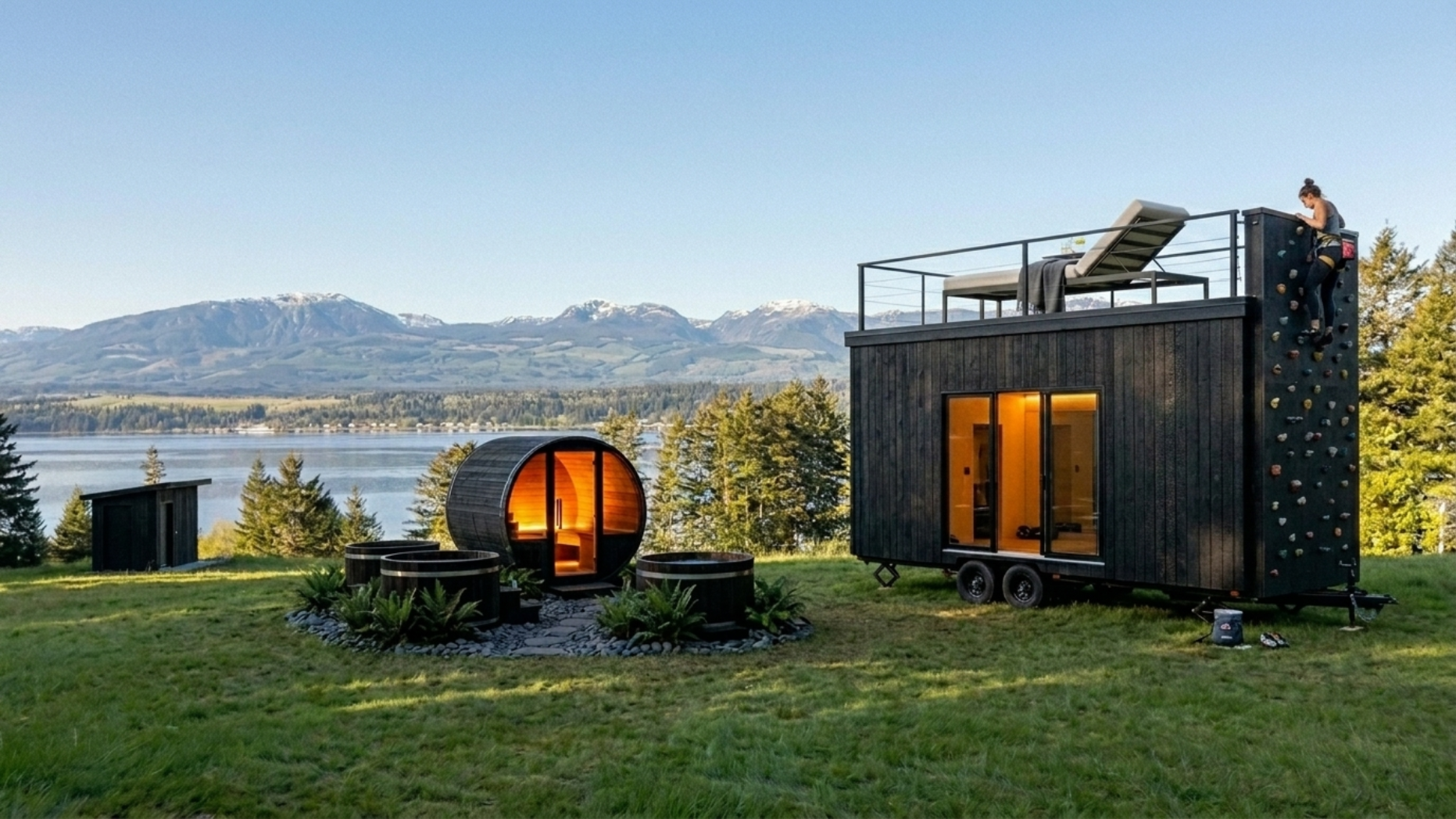
- Proportion and Accuracy — Early renderings sometimes strained believability with off dimensions and structural proportions, pushing a sharper focus on architectural fidelity.
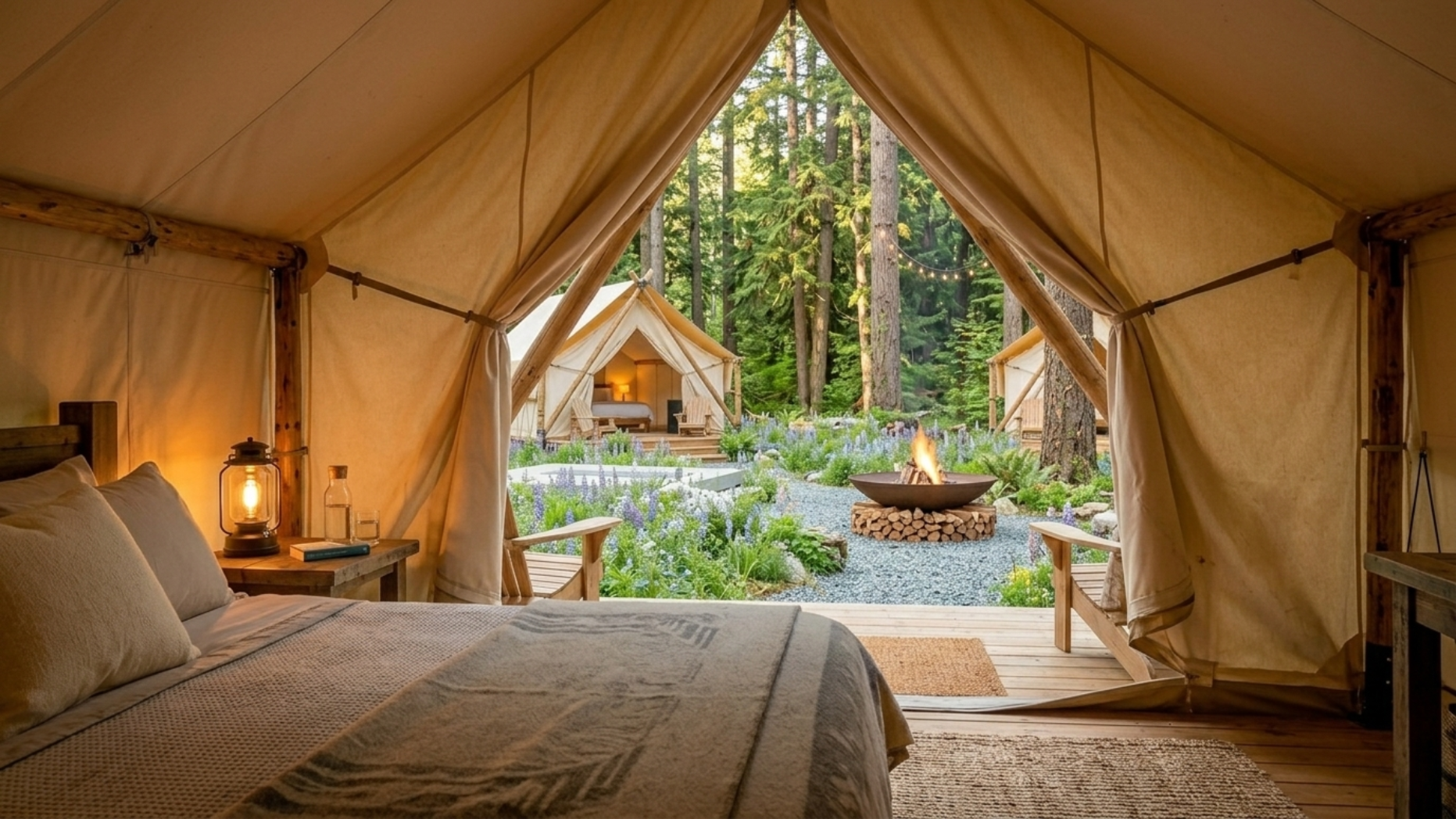
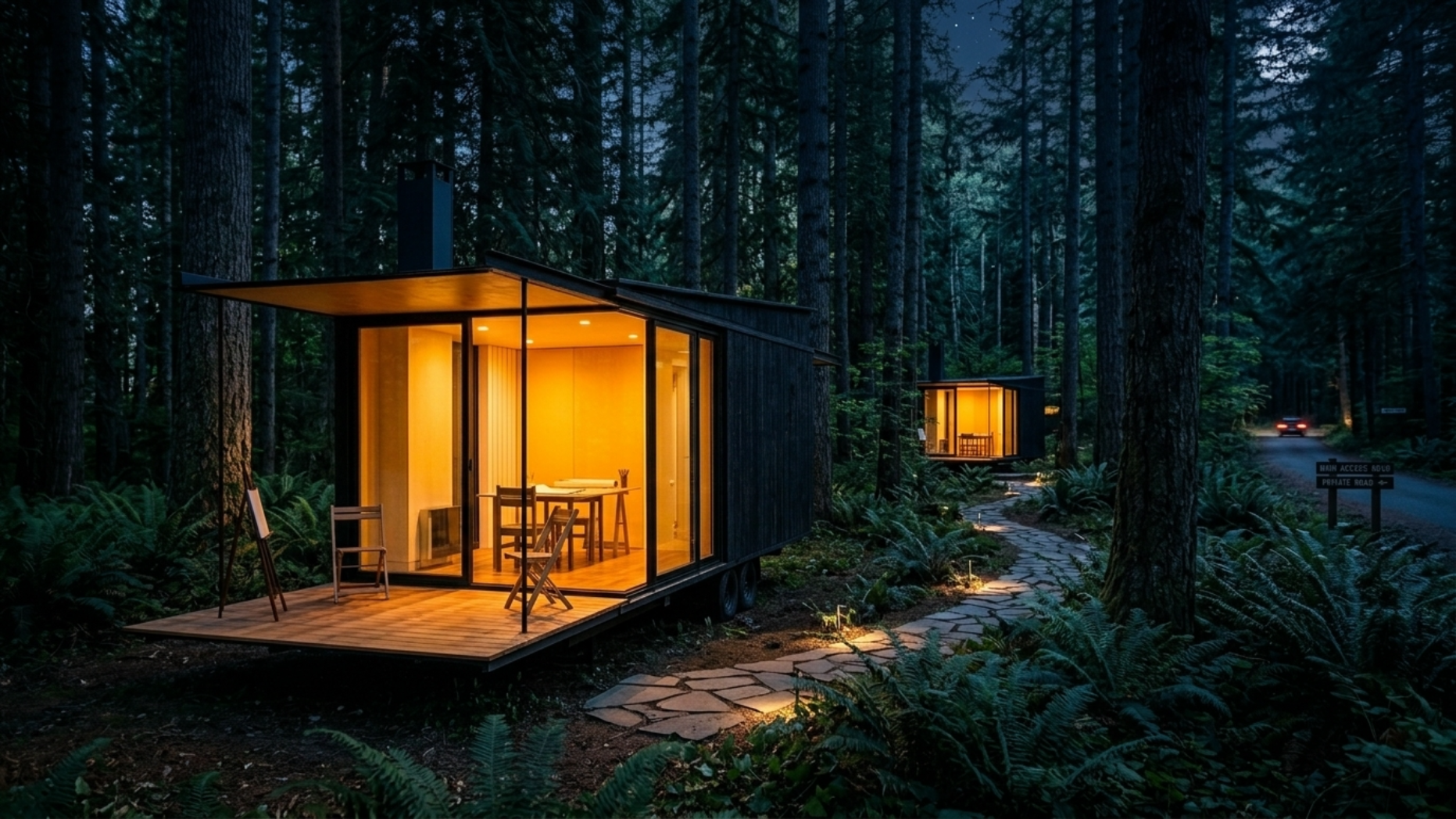
- Lighting Quality — Initial passes could read as flat or artificial. Harsh overhead lighting was replaced with softer, circadian-aligned schemes suited to wellness and residential atmospheres alike.
- Human-Centered Design — Designing for different populations, from senior residents to wellness clients, meant embedding real usability into the visuals: grab bars, hydration stations, and clear zone delineation, unified through a cohesive color language.
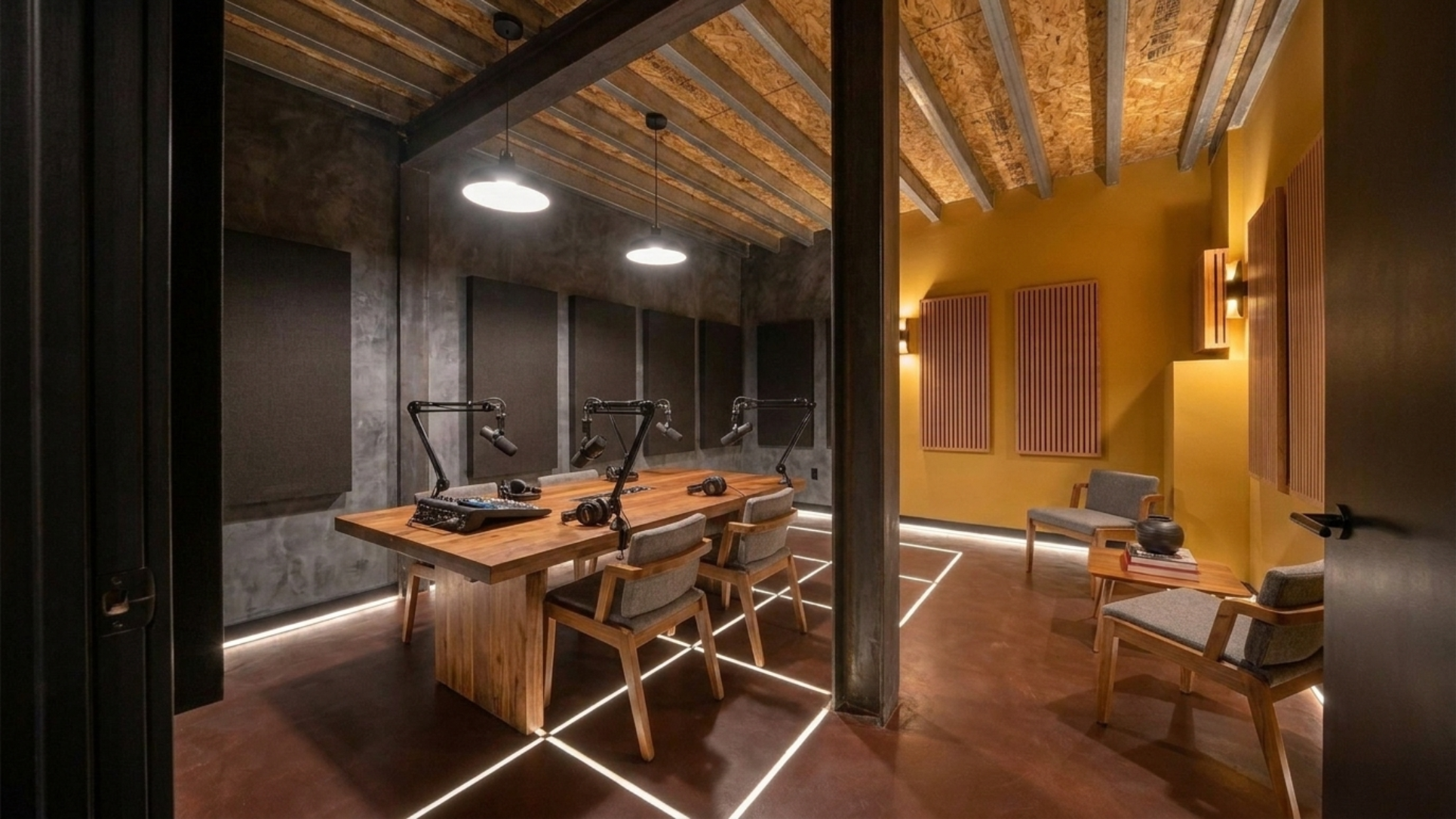
- Detail and Embellishment — Achieving a "raw luxury" feel required layering in texture: furnishings, seating, and structural accents; scenery and finishing touches that added richness and specificity to every scene.
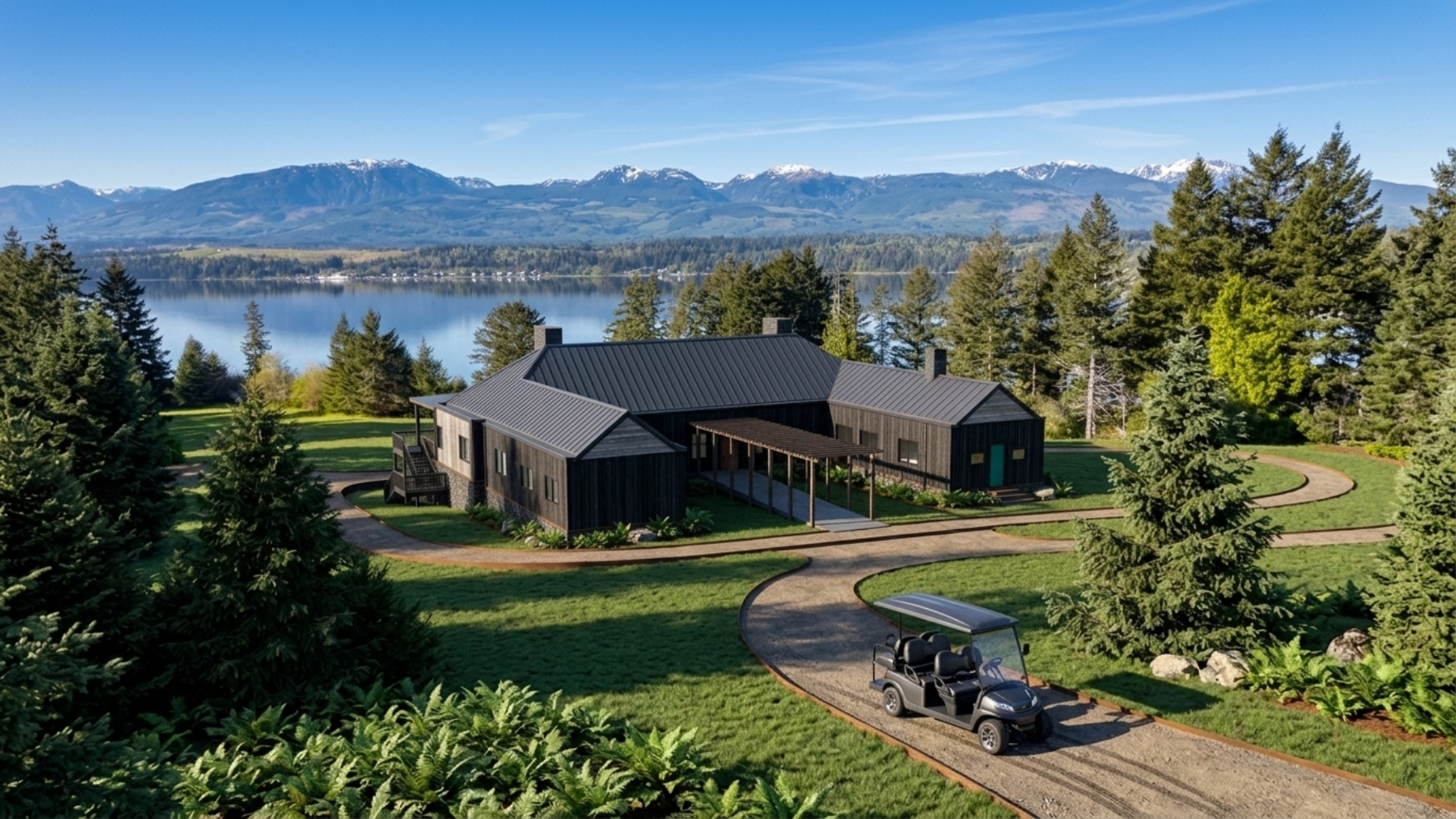
- Perspective and Orientation — Capturing the right angles, entrance approaches, sweeping outdoor views, or interior sightlines which meant matching each shot to each project's architectural flow.
.png)

.png)